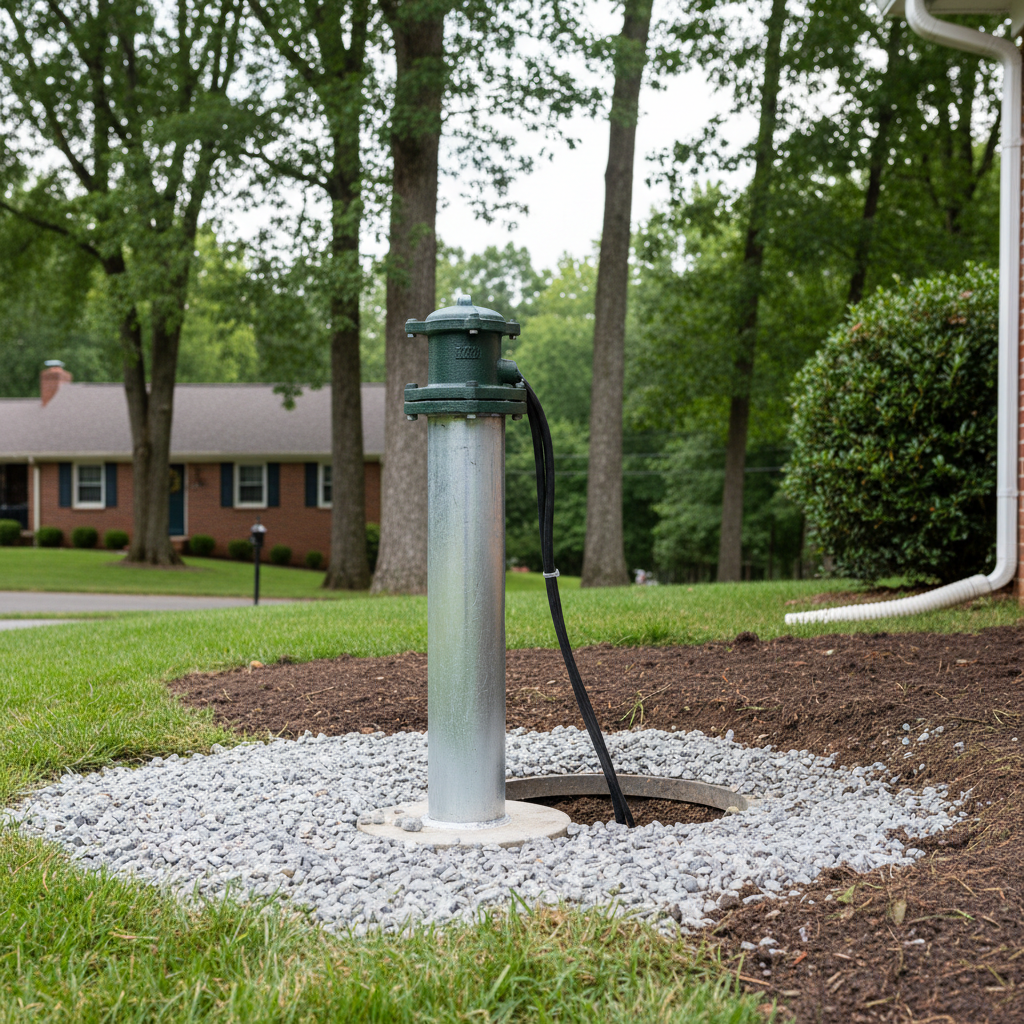
What is the difference between a submersible pump and a jet pump?
We need to talk about well pumps. Most homes around Baltimore, especially if you are out in places like northern Baltimore County where wells are common, are running on a submersible pump. A submersible pump is the workhorse that sits right down inside your well casing. This pump pushes water up into your house. Submersible pumps are efficient as well as quiet. They generally last a good long time because the water around them cools them.
Jet pumps are different. They usually sit above ground, maybe in your basement or a well house. A jet pump works by creating suction to pull water up. You will typically find jet pumps in shallower wells. These wells are usually less than 25 feet deep. Jet pumps are easier to access for service. However, they are not as common for new deep well installations around Baltimore County. Submersible pumps are just more efficient for our typical well depths in Baltimore.
How long can I expect my new well pump to last?
This is an important question, and it depends on many things. A properly installed submersible pump, which is what Absolute Well Drilling puts in most often, usually lasts anywhere from 10 to 15 years. Some folks get even more out of their submersible pumps. They can push 20 years or more under ideal conditions. Jet pumps can also hit that 10-15 year mark. Sometimes they can even last 25 years if they are well-protected.
Many things play into the lifespan of your well pump. Water quality is a big factor. If you have a lot of sediment, iron, or even just hard water in your Baltimore well, that can wear down your pump faster. How often your pump cycles on and off also makes a difference. Whether your pump is sized correctly for your home's needs is important. The quality of the electrical supply also makes a difference for your well pump.
What are the warning signs that my pump is about to fail?
Your pump rarely just quits without giving you some hints. You will want to pay attention to these signs:
- Low or fluctuating water pressure: If your shower goes from a strong spray to a trickle, or the pressure just is not what it used to be, that is a big red flag for your well pump.
- Pump running constantly or cycling frequently: Your pump should not be running all the time, especially when no water is being used. If it is turning on and off rapidly, which we call short-cycling, that usually points to a problem with the pump or your pressure tank in your Baltimore home.
- Strange noises: Grinding, humming, clicking, or rattling sounds coming from your well area or basement are definitely not normal for a well pump.
- Sputtering faucets or air in the lines: If you turn on the tap and get air spitting out before the water, or the water comes out in spurts, that is a sign something is off with your well system.
- Dirty or sandy water: If your water suddenly looks cloudy or has sediment, your well pump might be letting debris into the system.
- Higher electric bills: A failing pump works harder. This means it uses more electricity. If your power bill jumps without a good reason, you should check your well pump.
Do not ignore these signs. Catching them early can save you a lot of headache as well as money on your Baltimore well system.
How does a pressure tank fit into all of this?
You can think of your pressure tank as your pump's best friend. It is that big blue tank, usually in your basement or utility closet. The main job of a pressure tank is to store pressurized water. It also keeps a steady pressure throughout your home. Without a pressure tank, your well pump would have to kick on every single time you opened a faucet or flushed a toilet. That would be a lot of wear and tear on your well pump.
The pressure tank has an air bladder inside that compresses as water is pumped in. When you use water, that compressed air pushes the water out. When the pressure drops to a certain point, a switch tells the pump to turn back on and refill the tank. This whole process protects your pump from short-cycling. It also extends its life. A bad pressure tank can actually make your pump fail prematurely. So, it is a critical component for your Baltimore well system.
What is involved in a typical pump installation?
When Absolute Well Drilling does a pump installation, whether it is for a brand new well or a replacement, it is a thorough process. First, we figure out the right pump size as well as the type for your specific well depth. We also determine how much water your household actually uses. You do not want a pump that is too small, or you will have low pressure. A pump that is too big will short-cycle and wear out fast.
For submersible pumps, Absolute Well Drilling carefully lowers the new unit into the well. We make sure all the wiring as well as the piping are secure. We connect it to your pressure tank. Our team integrates all the necessary electrical as well as plumbing components into your home's system. We always make sure everything meets Baltimore County's local codes. This includes proper electrical grounding as well as tracer wire installation for buried lines. Once it is all hooked up, we do a bunch of testing. This confirms good pressure, flow rate, and that everything is leak-free. A typical pump installation usually takes us about a full day in Baltimore.
Do I need a permit for a new pump installation?
Yes, you usually do need a permit. Well pump installations are regulated in Baltimore County. You will need to make sure you are following local as well as state guidelines. Absolute Well Drilling can help you navigate the permit application process. We ensure all the work complies with Baltimore County Department of Environmental Protection and Sustainability regulations. It is not just about getting water flowing. It is about doing it safely as well as legally for your Baltimore home.
What about constant pressure systems? Are they worth it?
Constant pressure systems are a good option for some homeowners. This is especially true if you are tired of that pressure drop when someone flushes a toilet while you are in the shower. These systems use a variable frequency drive (VFD). This VFD adjusts the pump's speed to deliver a consistent, city-like water pressure. This happens no matter how many faucets are running in your Baltimore home.
Constant pressure systems are generally more expensive upfront than a conventional system. However, they offer a much better user experience. They can sometimes extend the life of your pump by reducing hard starts as well as stops. If you have a busy household or just really value consistent water pressure, it is definitely something Absolute Well Drilling can discuss. We can talk about it during your assessment to see if it is the right fit for your Baltimore home.