You rely on your well every single day, don't you? It's more than just a hole in the ground; it's a critical part of your home, giving you fresh water for drinking, bathing, and everything else. But just like any hard-working system, it needs a little love to keep running strong. I'm talking about maintenance – the kind of stuff that prevents major headaches and big repair bills down the road.
Around here, especially with our clay soils and those sometimes wild weather swings, a well can really take a beating. You want to make it last as long as possible, and honestly, it's not some kind of secret science. Mostly, it's about paying attention and getting ahead of problems.
Extending Your Well's Lifespan: Playing the Long Game
Think about your well system like your car. You wouldn't skip oil changes, right? The same idea applies to your well. The best thing you can do to make it last longer is to get regular, professional check-ups. We're talking about more than just a quick glance at your pressure tank, too.
- Know Your Water Table: In places like Catonsville or even closer to the harbor, water tables can jump around a lot. If you pump your well too much, especially when it's dry, it really stresses the pump and can even pull in sediment. So, try to be mindful of how much water you're using.
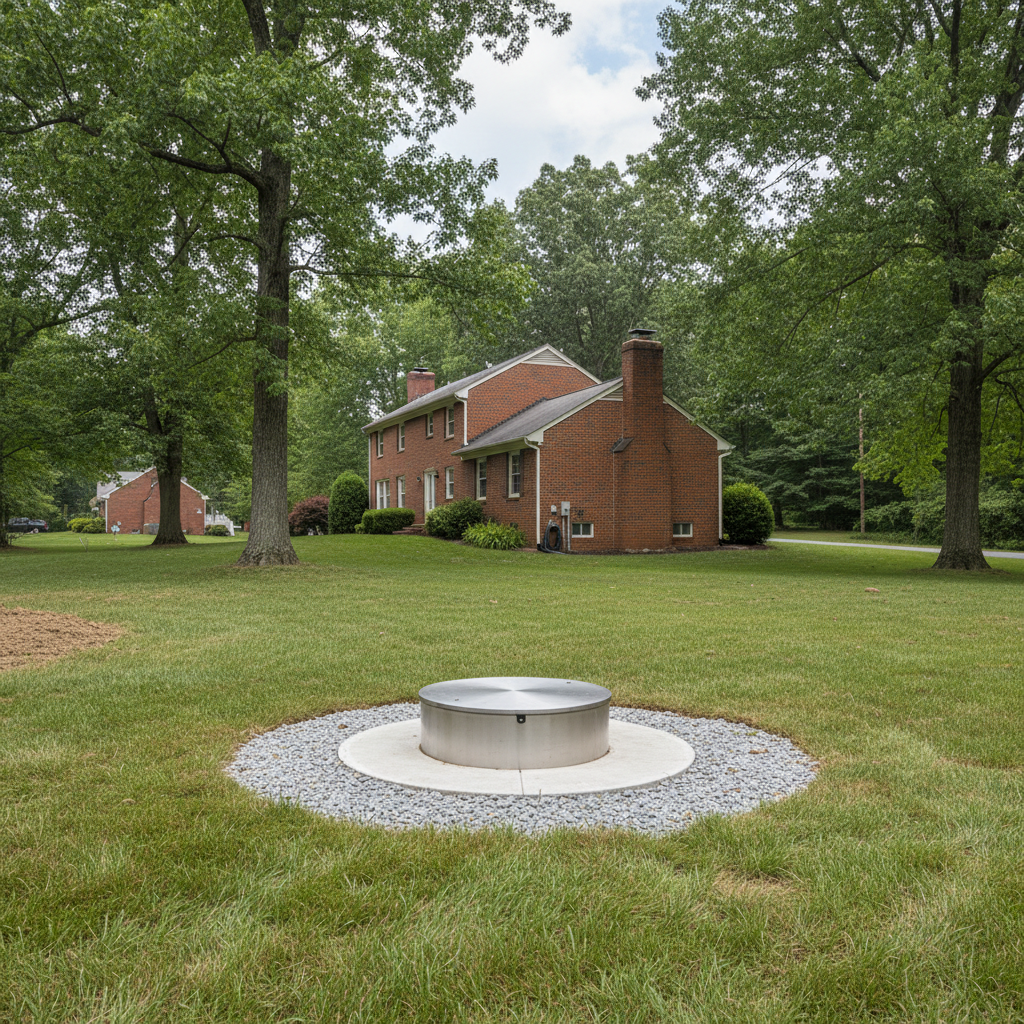
- Protect Your Wellhead: This is super important. Keep the area around your wellhead clear of junk, landscaping, or anything that could mess with its seal. You definitely don't want surface water, especially after a heavy Baltimore downpour, getting into your well.
- Avoid Chemical Contamination: Be careful with pesticides, fertilizers, and other chemicals near your well. Once they get into the groundwater, they're incredibly tough to remove.
- Don't Mess With It: Unless you really know your stuff, leave the internal workings to the pros. Tinkering around can cause more damage than good, and it might even void your warranties.
What Regular Maintenance Actually Looks Like
Okay, so what should you actually be doing? There are a few things you, the homeowner, can keep an eye on, and then there's the stuff you absolutely need a professional for.
Your Part (Monthly/Quarterly Checks):
- Listen to Your Pump: Does it sound different? Is it cycling on and off more often than usual? That could signal a pressure tank problem or a leak, you know?
- Check Your Pressure Gauge: Make sure it's holding steady within its normal operating range.
- Look at Your Water: Any changes in color, smell, or taste? Don't just ignore these.
- Inspect the Wellhead: Is it secure? Are there any cracks or damage? Is it free of standing water?
Professional Maintenance (Annually):
This is where Absolute Well Drilling steps in. Once a year, you really should get a professional well inspection and water test. This isn't just a suggestion; it's absolutely vital. We'll check:
- Water Quality: Testing for bacteria (like coliform), nitrates, and other contaminants is a must, especially if you have little kids or elderly folks living in the house.
- Pump Performance: We'll check the pump's voltage, amperage, and how well it's running overall.
- Pressure Tank: We make sure it's properly pressurized and isn't waterlogged.
- Overall System Integrity: We look for leaks, corrosion, and wear on pipes and electrical components.
This annual check-up catches small problems before they turn into expensive disasters. Trust me, it's a worthwhile investment.
Warning Signs of Trouble: Don't Ignore These!
Your well system will usually give you clues when something's not quite right. Pay attention to these red flags:
- Low Water Pressure: This is a common one. It could be a failing pump, a clogged filter, or even issues with your pressure tank.
- No Water At All: Obvious, right? But it could be a tripped breaker, a pump failure, or a severely lowered water table.
- Cloudy, Sandy, or Rusty Water: This often points to sediment issues, pump problems, or corrosion in your pipes. If your water suddenly looks like it came out of the Inner Harbor after a storm, you've definitely got a problem.
- Strange Noises: Grinding, banging, or excessive humming from your pump or pressure tank are never good signs.
- Foul Odors or Tastes: Metallic tastes, rotten egg smells (sulfur), or earthy odors mean you need a water test ASAP.
- Pump Cycling Too Frequently: If your pump is turning on and off constantly, even when no water is being used, your pressure tank might be failing or you have a leak somewhere.
When to Call a Professional
Any of those warning signs? That's when you pick up the phone. Don't try to DIY a well repair unless you're a qualified professional. You could make things worse, damage expensive equipment, or even create a safety hazard.
You should also call us if:
- You're planning any major digging or landscaping near your well.
- You notice any damage to the well casing or cap.
- You're experiencing unexplained increases in your electricity bill (a failing pump can use more power).
- It's been over a year since your last professional inspection and water test.
Your well is a big investment and a really important part of your home. Taking care of it with regular maintenance and addressing issues quickly will save you money and keep that clean, fresh water flowing for years to come. That's just how it works.