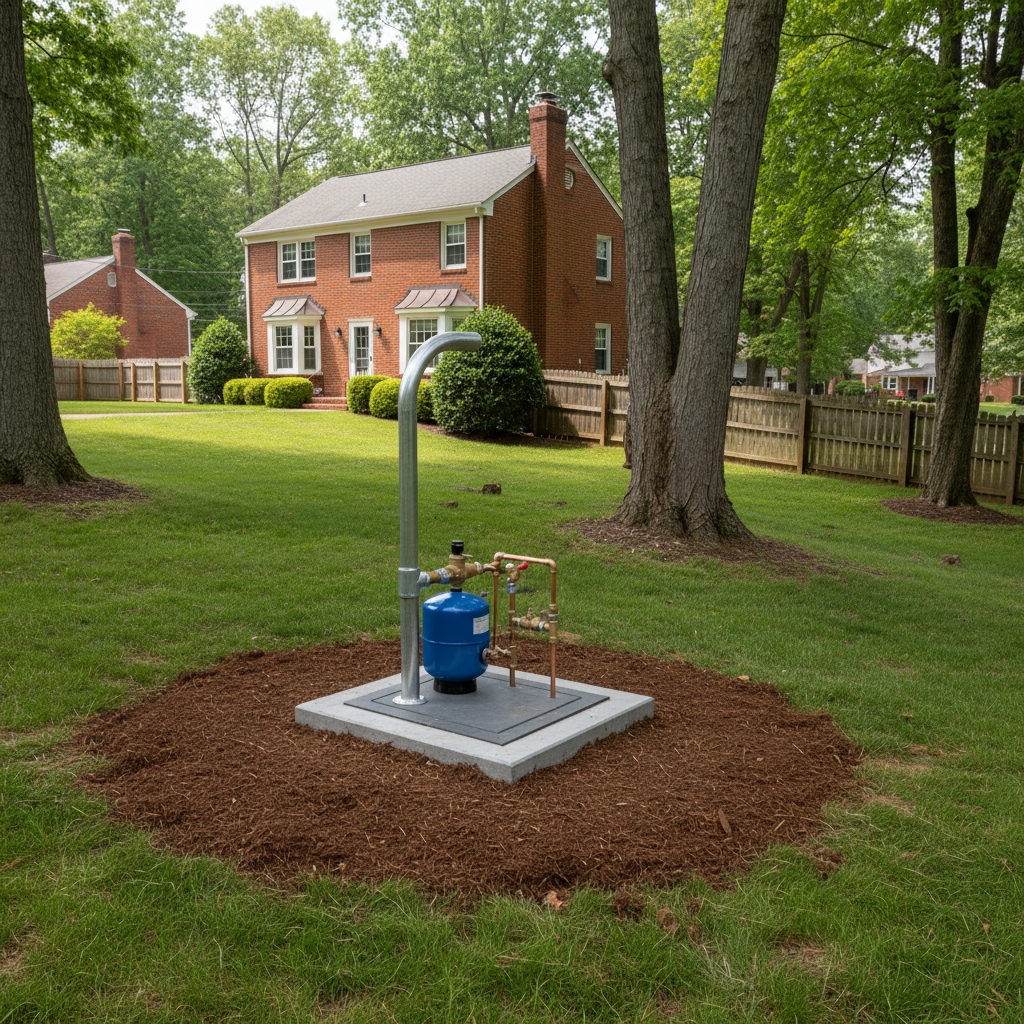
Alright, let us talk about getting a well drilled for your Baltimore home. It is a big investment for your property, and you do not want to mess it up by hiring the wrong crew for your well drilling project. I have been in this business a long time, and I have seen it all with well drilling in Baltimore – good jobs, bad jobs, and everything in between. Here is my direct, no-nonsense advice on how to find a well drilling contractor you can trust for your well drilling needs.
Verifying Legitimacy: Licenses and Insurance Are Important
First things first, you have to make sure the well drilling contractor is legitimate. Well drilling is not a do-it-yourself project or something you let just anyone handle. In Maryland, well drillers need to be licensed by the State Board of Well Drillers. This is part of the Maryland Department of the Environment (MDE). This license is not just a piece of paper; it means they have passed exams as well as met experience requirements as well as know the state's regulations for well drilling.
- Ask for their Maryland Well Driller License number. Do not just take their word for it. You can contact the State Board of Well Drillers directly to verify it. They also need to have local permits for Baltimore well drilling, so ask about those permits too.
- Insurance is important. A reputable well drilling contractor will carry general liability insurance as well as workers' compensation. If someone gets hurt on your property and they are not insured, that could fall on you. Ask for proof of insurance and make sure it is current.
- Check references. A good well drilling contractor will not hesitate to give you a few names of past clients. Call those folks up! Ask about the quality of work as well as if they finished on time and on budget as well as how they handled any unexpected issues.
- Look for local experience. Baltimore has its own quirks, especially with the geology. An experienced well driller who knows the local soil conditions will be better equipped for your well drilling job. This includes knowing about the clay in some parts of Baltimore County as well as the varying bedrock.
Questions to Ask a Potential Well Driller
When you are talking to well drilling contractors, you need to ask the right questions. This helps separate the pros from the amateurs. Here are some important questions for your well drilling project:
- What is your dry hole policy? This is a key point. Groundwater can be unpredictable. You need to know what happens if they do not find enough water at the estimated depth. Will they drill deeper? Is there a reduced rate? What is the plan? You do not want to be on the hook for unlimited well drilling if they keep coming up dry.
- What is included in the quote? Get a line-by-line breakdown. Some well drilling contractors might give you a low price that only covers drilling. They then hit you with extra charges for casing as well as pumps as well as testing as well as permits. Make sure it is clear what materials they will use, like casing type and diameter. Also, make sure water testing and pump installation are part of the deal for your well drilling.
- Who handles the permits and inspections? Well drilling requires permits from the local health department in Baltimore County. A good well drilling contractor will handle all the paperwork for you. This saves you a lot of headaches.
- How will you drill the well? Ask about the drilling procedure. Also ask about the type of well (drilled, bored, driven) as well as what kind of casing and screen they will use. They should be able to explain why their chosen method is right for your property in Baltimore.
- Will you perform a water yield and quality test? After the well is drilled, you need to know how much water it produces (yield) as well as if it is safe to drink (quality). This is important for determining if you need any filtration or treatment. In Maryland, a Certificate of Potability (COP) is required for potable water wells after testing shows the water is safe.
- What about ongoing service and repairs? It is smart to pick a company that can also handle maintenance and repairs down the line for your well.
What to Look for in a Quote
Do not just pick the cheapest bid for your well drilling. That is a mistake. A good quote should be detailed as well as transparent.
- Itemized breakdown: It should clearly list costs for drilling, which is often per foot. It should also list casing materials as well as grouting as well as pump installation as well as electrical connections as well as permits as well as any water testing.
- Casing and materials: Look for specifics on the type, like PVC or steel. Also look for the diameter and how deep the casing will go. Better materials might cost more upfront but save you trouble later with your well drilling.
- Warranty: Ask about guarantees on the well drilling work performed as well as the equipment.
- Payment schedule: A reasonable deposit is normal for well drilling. But steer clear of anyone demanding full payment upfront.
- Dry hole policy: Again, this needs to be in writing in the quote or contract for your well drilling project.
Red Flags to Watch Out For
Some things should make you walk away from a well drilling contractor, no questions asked. These are big warning signs:
- No license or insurance. As I said, this is not negotiable. If they cannot or will not show you proof, move on from that well drilling contractor.
- Vague contracts or verbal agreements only. Everything needs to be in writing for your well drilling project. If they are not putting details down, you are setting yourself up for disputes.
- Pressure to sign immediately. A legitimate well drilling business will give you time to review the quote and contract.
- Demanding full payment upfront or cash-only deals. This is a classic scam tactic for well drilling.
- Unusually low bids. If a quote for well drilling is significantly cheaper than others, there is usually a reason. This could be cutting corners on materials as well as skipping permits as well as using unlicensed labor.
- No local business address or frequent company name changes. This can indicate they are trying to hide a bad reputation for well drilling.
- Poorly maintained or inadequate equipment. Modern, well-kept equipment shows professionalism. Rusty or makeshift gear is a sign they are cutting corners on their well drilling work.
Choosing a well driller is a big decision for your Baltimore property. Take your time, ask the important questions, and do not be afraid to walk away if something feels off. Here at Absolute Well Drilling, we believe in doing things right the first time for well drilling, and you should expect nothing less from whoever you hire for your Baltimore well drilling project.