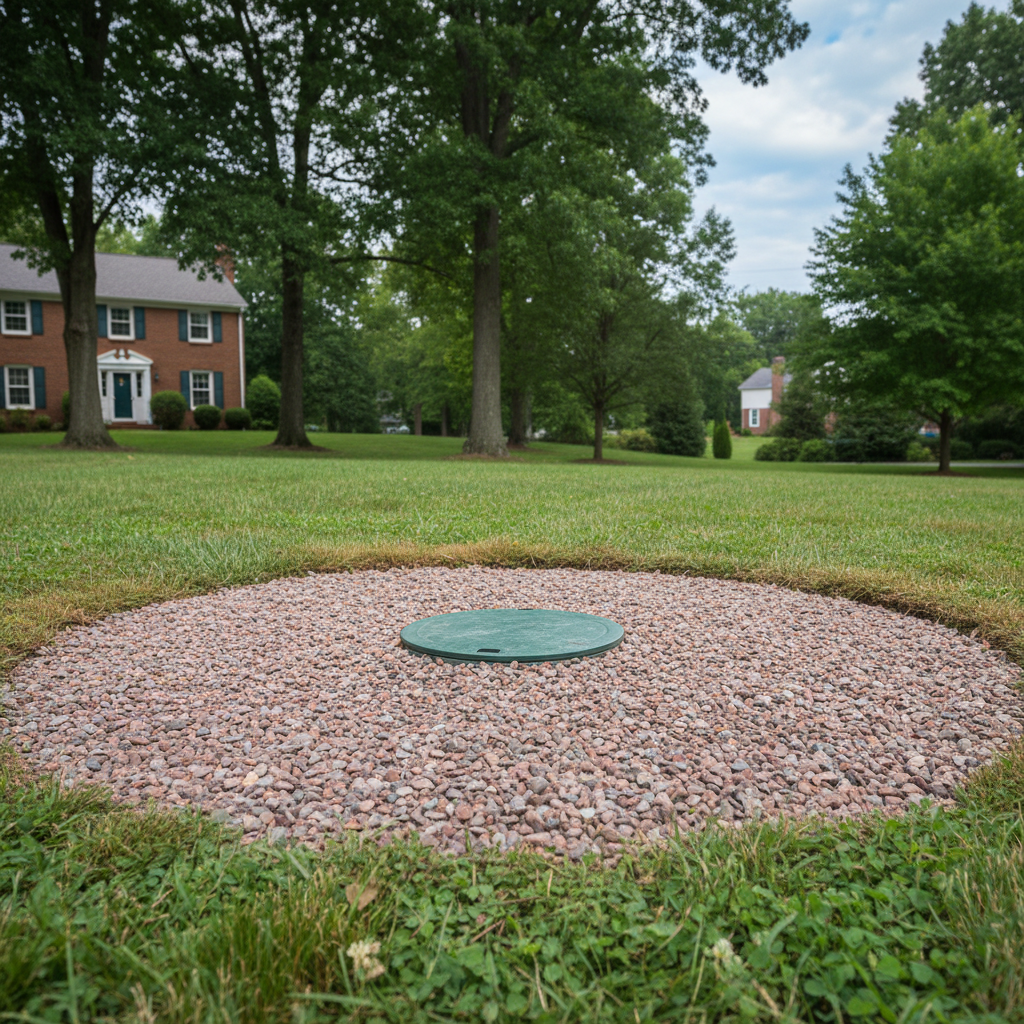
So, you're thinking about geothermal for your place. Good call. It's a big investment, no doubt, but the long-term savings and comfort are pretty hard to beat. I've been doing this kind of work around Baltimore for years, and I've watched people get totally swamped by the whole process. It's really not as complicated as some folks make it out to be, but you absolutely need to understand a few things before you dive in. Let's talk it through.
Before the Drillers Arrive: Your Homework
This is where you can actually do a lot of the heavy lifting yourself, and it's super important. Seriously, don't skip these steps. They'll save you headaches and money down the road.
Energy Audit First: Before you even *think* about drilling, get a professional energy audit. I mean it. You wouldn't put a brand new engine in a car with flat tires, right? An audit will show you exactly where your home is losing heat or AC. Sealing up drafts, adding insulation, upgrading windows — these things can really cut down your heating and cooling needs. That means you might need a smaller, less expensive geothermal system. It's a no-brainer.
Space Assessment: Geothermal systems need room. Specifically, closed-loop systems, which are what we usually install around here, need trenches or vertical boreholes. Take a good look at your yard. Is it big enough for horizontal loops? Probably not if you live in a Baltimore city rowhouse or even some of the tighter suburban lots. Vertical loops are more common in denser areas like Canton or Federal Hill, but even those need access for drilling equipment. So, think about where a drill rig could actually get to on your property.
Understand Your Soil: This is a huge factor. Baltimore's soil can be tricky, everything from heavy clay to rocky patches, especially as you get into the older parts of the city or out towards the county. This really impacts how long drilling takes and how much it costs. You don't need to be a geologist, but it helps to know if your property has a history of rock, or if it's mostly soft earth. We'll do our own tests, of course, but it's good for you to have a basic idea.
Permits and HOAs: Don't forget these. You'll need permits from Baltimore City or County, and if you're in a homeowner's association, you'll need their okay too. Start this process early. It can take a while, and you definitely don't want the project held up just because of paperwork.
During the Drilling: What to Expect
Once you've done your homework and chosen a contractor like Absolute Well Drilling, the real work starts. This isn't a DIY job, obviously. You're hiring professionals for a reason.
Site Preparation: We'll need to clear the area where we'll be drilling. This might mean moving landscaping, fencing, or other stuff that's in the way. We'll talk through all this with you beforehand. Expect your yard to look a bit messy; it's just unavoidable when you're bringing in heavy machinery.
The Drilling Process: Depending on whether you're getting vertical or horizontal loops, the process will look a little different. For vertical, we'll drill boreholes, usually 150-300 feet deep, and then put in the U-shaped pipes. For horizontal, we're digging trenches. It's noisy, it's dirty, and it takes a few days — sometimes longer — depending on how many loops you need and what the soil's like. We'll keep you in the loop every step of the way.
Loop Installation: Once the holes are drilled or trenches dug, we install the loops. These are tough, high-density polyethylene pipes. Then we connect them to a manifold system that will run to your indoor unit. We pressure test absolutely everything to make sure there are no leaks — that's super important.
Grouting/Backfilling: For vertical loops, we fill the boreholes with a special grout. This helps with heat transfer and protects the pipes. For horizontal, we just backfill the trenches. All this makes sure your system works efficiently and lasts a long, long time.
After the Drilling: Getting Your System Online
The drilling itself is just one piece of the puzzle. Once those ground loops are in, there's still more to do to get your system up and running.
Connecting to the Heat Pump: This is where your HVAC contractor comes in. They'll connect the ground loops to your indoor geothermal heat pump unit. This unit basically replaces your old furnace and AC. They'll also connect it to your existing ductwork, or install new ducts if that's what's needed.
System Startup and Testing: Your HVAC tech will fire up the system, charge it with refrigerant (if it's a direct expansion system, though most are water-based), and test everything out. They'll make sure it's heating and cooling correctly, that the thermostat is working, and that the flow rates in the ground loops are right.
Landscaping Repair: This is where you might have some work ahead of you. We do our best to keep disruption to a minimum during drilling, but your yard won't look perfect right after we leave. You'll probably need to reseed grass, replant shrubs, or fix any hardscaping that had to be moved. This is definitely something you can tackle yourself to save a few bucks, or you can hire a landscaper to do it.
Ongoing Maintenance: Geothermal systems are famous for being low maintenance, but they're not maintenance-free. You'll still need to change your air filters regularly, just like with a traditional HVAC system. Your HVAC contractor should also do an annual check-up on the indoor unit. The ground loops themselves are pretty much "set it and forget it" once they're in. That's the real beauty of it.
Look, getting geothermal is a big project, but it's one that really pays off. It's quieter, more efficient, and just plain better for the environment. If you're ready to look into it further for your Baltimore home, give us a call at Absolute Well Drilling. We're always happy to walk you through the specifics for your property.