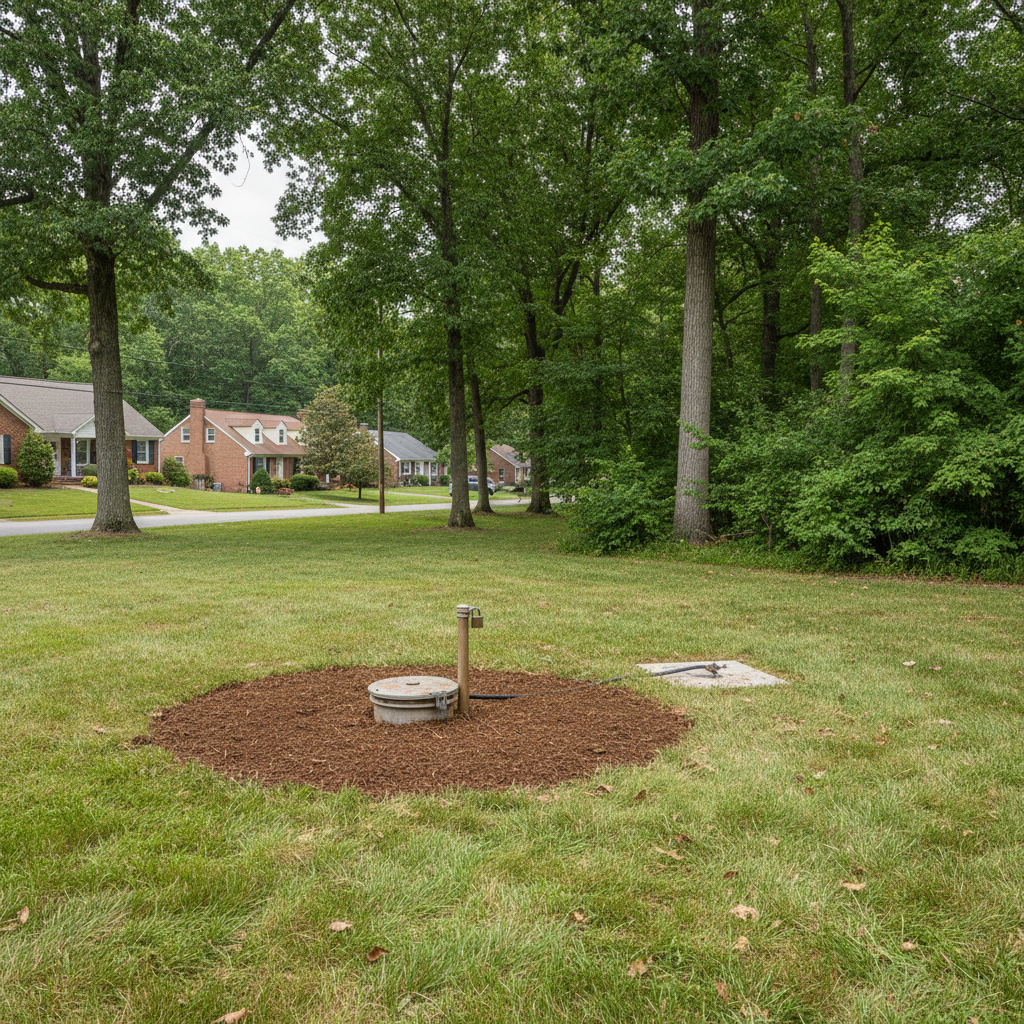
Environmental drilling sounds like something only big corporations or government agencies deal with, right? Not always. For homeowners in Baltimore, especially those with older properties, or if you're looking at a new build on a previously developed lot, you might find yourself needing this kind of work. Maybe you've got an old underground storage tank you didn't even know about, or there's some soil contamination from decades ago. Whatever the reason, it's a big project, and you want to be prepared.
Understanding the Timeline: It's Not a Weekend Job
Let's be clear: environmental drilling isn't like patching a leaky faucet. It takes time. A typical residential environmental drilling project, from initial contact to final report, can easily span several weeks, sometimes even months, depending on what we find and what permits are needed. Here's a rough breakdown:
- Initial Consultation & Site Assessment (1-2 weeks): First, we'll talk about what you're seeing, what your concerns are, and any history you know about the property. Then, we'll do a site visit. This isn't just a quick look; we're assessing access, potential hazards, and figuring out the best approach.
- Permitting (2-6 weeks, or more): This is often the longest part. You can't just start drilling wherever you want. We'll need permits from the city or county, maybe even state agencies depending on the scope. Navigating Baltimore's permitting process can be tricky, and it's not always fast.
- Mobilization & Drilling (1-5 days per boring location): Once permits are in hand, we bring in the rig. The actual drilling time depends on the depth, the type of soil (that dense Baltimore clay can be a challenge!), and how many boreholes are needed.
- Sampling & Lab Analysis (1-3 weeks): We take soil and/or groundwater samples, and they go off to a certified lab. This isn't something we can rush; accurate analysis is crucial.
- Reporting & Recommendations (1-2 weeks): Once we get the lab results back, we compile a detailed report, explaining what we found and what, if any, further action is recommended.
See? It's a process. Don't expect us to show up Monday and be done by Friday.
What to Expect During the Process
When the Absolute Well Drilling crew shows up, you'll see some serious equipment. We're talking drill rigs, support vehicles, and a team of experienced folks. It's going to be noisy, and there will be some disruption to your yard. We do our best to minimize it, but drilling means moving earth. Expect:
- Noise: Drill rigs are loud. We'll try to schedule work during reasonable hours, but it's not going to be quiet.
- Dust and Mud: Depending on weather and soil conditions, you might have dust or mud. We'll put down protective sheeting where we can, but it's an outdoor construction project.
- Temporary Fencing/Barriers: For safety, we'll often set up temporary barriers around the work zone.
- Access Needs: We'll need clear access for our equipment. Make sure gates are unlocked and any obstacles are moved.
- Utility Mark-Outs: Before we even think about drilling, we'll have all public utilities marked out. But you'll also need to tell us about any private utilities you have – sprinkler systems, invisible dog fences, septic lines, etc. If we don't know it's there, we can't avoid it.
How to Prepare Your Property
Getting ready for us isn't just about clearing a path. A little preparation on your end can make things go a lot smoother:
- Clear the Area: Move any outdoor furniture, planters, grills, or garden decorations from the immediate work zone. If you have any sensitive plants or shrubs, consider temporarily relocating them if possible.
- Mark Private Utilities: This is huge. As I mentioned, we'll get public utilities marked, but private ones are on you. Sprinkler heads, buried electrical lines for sheds, downspout drains – mark 'em clearly with flags or spray paint.
- Secure Pets and Children: This is a construction site. Keep kids and pets well away from the work area for their safety.
- Inform Neighbors: A courtesy heads-up to your neighbors about the upcoming noise and activity can go a long way.
- Know Your Property History: Any old blueprints, surveys, or even just stories from previous owners about what might be buried on your land can be incredibly helpful.
Questions to Ask Before Signing a Contract
You're hiring a professional, and you should feel confident in your choice. Don't be shy about asking questions. Here are a few I'd recommend:
- What specific permits are needed, and who is responsible for obtaining them? Usually, we handle this, but it's good to confirm.
- What's the estimated timeline, including permitting and lab analysis? Get a realistic expectation.
- How will you protect my property during the drilling? Ask about measures for landscaping, driveways, and foundations.
- What are your procedures for managing drill cuttings and waste? We have to dispose of these properly, especially if contamination is suspected.
- What are the potential risks or unforeseen issues that could arise? Good contractors will be upfront about possibilities like hitting bedrock or unexpected buried objects.
- Can you provide references from other homeowners you've done similar work for? A reputable company won't hesitate.
- What's included in the total cost, and what might incur additional charges? Get a clear breakdown. This includes things like lab fees, permit costs, and any potential overages for deeper drilling than anticipated.
- What kind of insurance do you carry? Make sure they're fully insured for liability and workers' comp.
Environmental drilling isn't a DIY job, and it's not something you want to cut corners on. Doing it right means getting the right people on the job, understanding the process, and asking the tough questions upfront. It'll save you headaches and money down the road.