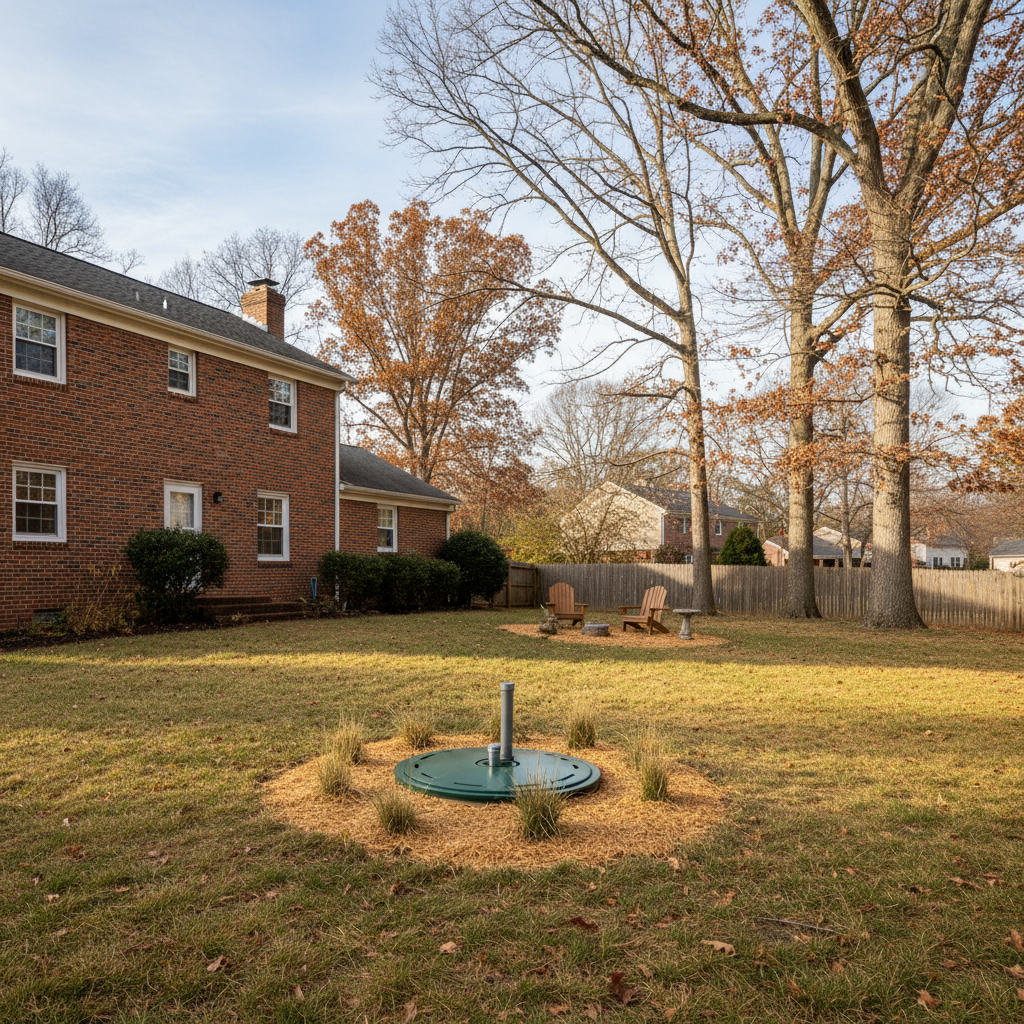
So, you've got a well. That's fantastic! It gives you a real sense of independence, but it also means you're on the hook for its upkeep. Here in Baltimore, we really do experience all four seasons, and each one brings its own unique set of challenges and, well, opportunities for your well system. Knowing what's coming and when to jump into action can save you a ton of headaches and a good chunk of change down the road.
Spring Thaw & Heavy Rains: What to Watch For
Once the snow finally melts and those classic Baltimore spring showers start rolling in, groundwater levels can really shoot up. This is kind of a mixed bag. On one hand, it refills the aquifer, which is great for your well's long-term water supply. But on the flip side, it can push surface contaminants deeper into the ground more easily. If your well cap isn't sealed tight or if you've got an older, shallow well casing, you might be looking at some trouble.
I always tell people to take a peek around their wellhead after a good downpour. Look for water pooling right at the base of the casing. If you spot that, it's a pretty clear sign that surface water isn't draining away like it should. You might need some grading work done, or maybe just a quick check of your well cap. We've certainly seen this happen a lot with older homes, especially in places like Roland Park with their big, established trees – those roots can sometimes really mess with the drainage around a well. It's also a smart time to schedule a water quality test, just to be on the safe side. Better to be cautious than sorry when it comes to your drinking water, right?
Summer Droughts & High Demand
Summers around here can get pretty hot and dry, which means your well pump is probably working overtime. Watering gardens, filling up the kiddie pool, extra showers – it all adds up fast. This is when you really find out if your well can keep up with everything. If you start noticing your water pressure dropping or your pump cycling on and off more often, it could be a sign your well is struggling to recharge as fast as you're using water.
It's not usually an emergency, but it's definitely something to keep an eye on. If you're planning any big landscaping projects or thinking about putting in an irrigation system, talk to us first. We can check your well's capacity and make sure you won't accidentally run it dry. Over-pumping can shorten the life of both your well and your pump. It's a good idea to be mindful of how much water you're using during long dry spells, just like you would if you were on city water.
Fall Prep: Getting Ready for Winter
Before the real cold weather kicks in, fall is the perfect time for some preventative maintenance. We're talking about making sure your pressure tank is working right, checking for any leaks in your outdoor lines, and generally giving your whole system a once-over. Any exposed pipes or components need good insulation, especially if they're above ground. Trust me, you do not want a frozen pipe bursting when the temperatures really plummet.
If you're considering drilling a new well or doing any major repairs, fall can actually be a great time to schedule it. The ground isn't frozen solid yet, and we're usually past the spring rush. The soil conditions are generally more stable than in the wet spring, which can make for a smoother drilling process. Plus, you'll have your system all set to go before winter hits.
Winter: Freezing Temps & Well Protection
Winter in Baltimore means freezing temperatures, and that's the biggest threat to your well system. Your well itself is usually deep enough that the water won't freeze, but the pipes running from the well to your house, and any above-ground parts like pressure tanks or pumps in unheated spaces, are definitely vulnerable.
Make sure any well houses or pump enclosures are properly insulated and sealed up tight. If you have any outdoor faucets connected to your well, drain them and shut off their supply lines. A little bit of insulation now can prevent a lot of expensive repairs later. If you're going to be away for a while, consider having someone check on your system or even winterizing parts of it. We've seen plenty of burst pipes from folks who just didn't take these simple steps. It's a small effort that really protects your investment.
No matter the season, your well is always working hard for you. A little bit of seasonal awareness and proactive maintenance goes a long way in keeping your water flowing freely. If you've got questions or need a hand with anything, Absolute Well Drilling is always here to help you keep your system in top shape.