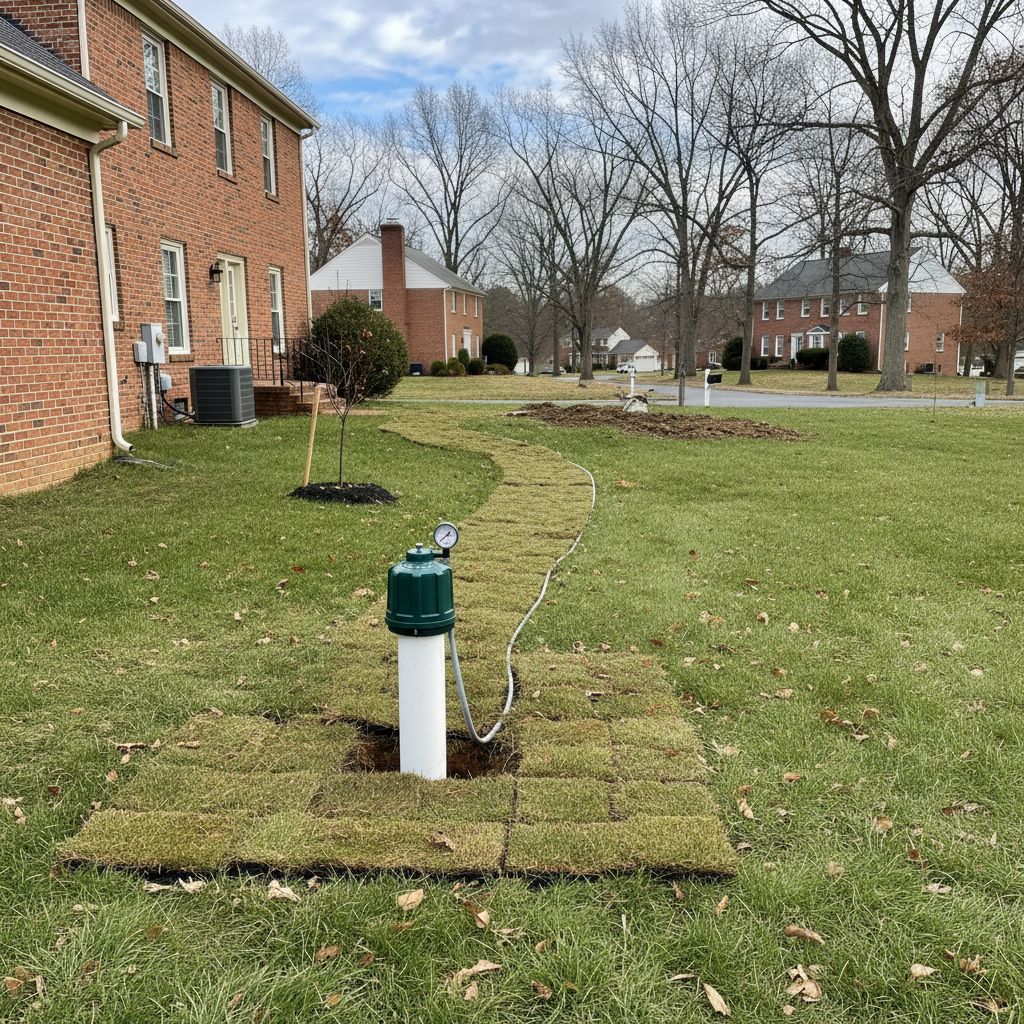
When's the best time to get a well drilled around here? That's a question I get a lot, and it's a good one. You might think it doesn't matter, but the truth is, Baltimore's climate definitely plays a role in when we can get a rig out and how smoothly the job goes. And once that well's in, you've got to look after it.
Scheduling Your Well Installation: What Baltimore Weather Means
Look, we drill wells year-round if we have to, but some seasons are just plain better than others. You want to think about ground conditions, access, and even the comfort of the crew working on your property.
- Spring (March-May): This can be a mixed bag. After the winter thaw, the ground can be pretty saturated. We're talking muddy, soft conditions that make moving heavy equipment a real challenge. You don't want a rig sinking up to its axles in your yard. However, if it's been a drier spring, it can be ideal – the ground's not frozen, and it's not scorching hot yet.
- Summer (June-August): Hot, humid, and sometimes dry. If we get a good stretch of dry weather, the ground is firm, which is great for equipment. The downside? Those summer thunderstorms can pop up fast and turn a dry site into a mud pit in an hour. Plus, working in 90-degree heat with high humidity isn't exactly fun for the crew, but we get it done.
- Fall (September-November): This is often the sweet spot. The ground is typically drier and firmer than in spring, and the temperatures are much more agreeable for outdoor work. Less mud, less heat, fewer sudden downpours. If you can plan for a fall installation, you're usually in good shape.
- Winter (December-February): We can drill in winter, but it comes with its own set of challenges. Frozen ground is tough to break through, and we're talking about more wear and tear on equipment. If we hit bedrock, it's not as big a deal, but getting through that top layer of frozen soil can slow things down. Plus, snow and ice make site access tricky and can create safety concerns. We've certainly drilled wells in January in places like Parkville, but it's not always the easiest.
So, what's my advice? If you're planning a new well, start talking to us at Absolute Well Drilling in late summer or early fall. That gives us time to assess your property, get permits sorted, and schedule the work for when conditions are likely to be best. If you need it sooner, we'll make it happen, but it's good to be aware of the variables.
Protecting Your Well: Year-Round Care for Your Investment
Once your well is installed and pumping clean water, you've got to treat it like the valuable asset it is. A little bit of care goes a long way in preventing big problems down the road.
- Keep an Eye on the Well Head: This is the part sticking out of the ground. Make sure it's not buried by landscaping, debris, or snow. You want it accessible and protected. Don't let water pool around it, especially in winter, as freezing and thawing can cause issues.
- Watch Your Water Quality: If you notice changes in taste, odor, or clarity, don't ignore it. It could be a sign of a problem with your well, pump, or even groundwater contamination. Get it tested.
- Mind Your Landscaping: Be careful with digging or heavy machinery near your well. You don't want to damage underground lines or the well casing itself. Also, avoid planting trees or shrubs too close; their roots can interfere with buried components.
- Regular Maintenance: Just like your car, your well system benefits from occasional check-ups. We recommend having your well and pump system inspected every few years. We can check the pump's performance, look for leaks, assess the pressure tank, and make sure everything's running efficiently. This proactive approach can catch small issues before they become expensive emergencies.
- Winterizing (if needed): While most modern well systems are designed to be freeze-proof below the frost line, if you have any exposed pipes or a pump house, you'll want to make sure they're insulated or drained before the really cold snaps hit. We don't get deep freezes like up north, but a sustained cold spell can still cause problems if things aren't protected.
Your well is your direct link to a reliable water supply. Taking care of it means you'll enjoy clean, fresh water for years to come without unexpected headaches. If you've got questions about your well or are thinking about getting one installed, give us a call. We're happy to talk you through it.